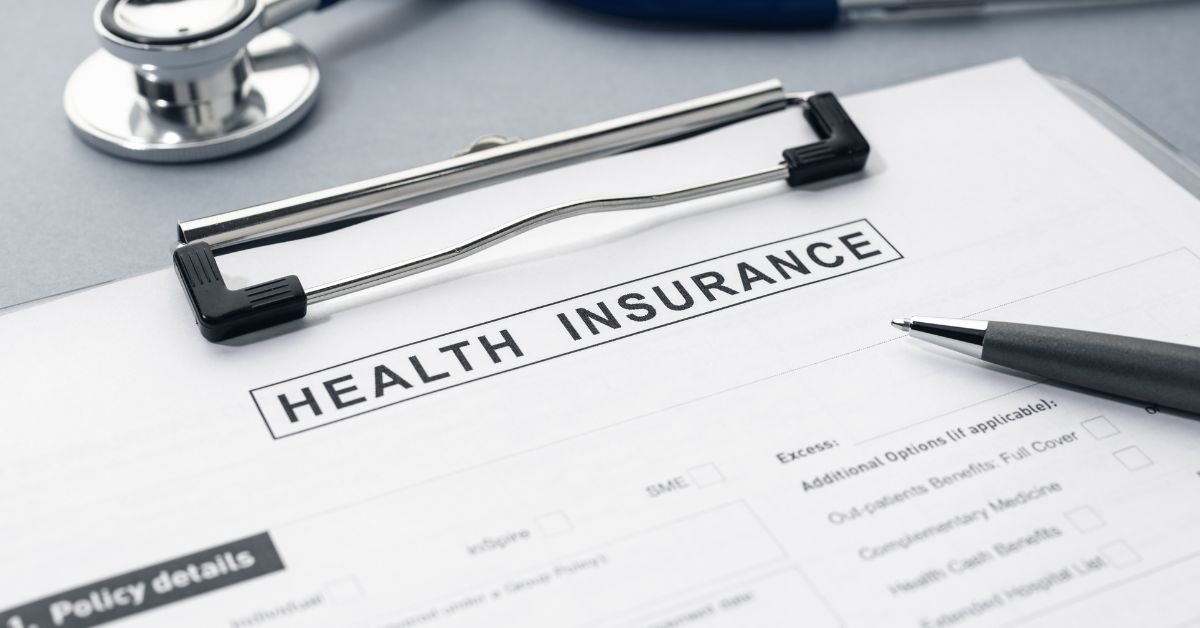

A director of a mid-sized manufacturing company received a legal notice from a minority shareholder alleging mismanagement of company funds. The company had no Directors and Officers liability insurance. The legal fees alone, before the case concluded, crossed Rs. 35 lakhs — paid personally by the director.
Liability insurance is the category most Indian businesses either don’t know well or consciously defer. It’s also the one that tends to produce the largest and most unexpected claims.
Directors and Officers Liability — personal protection for professional decisions
Every decision a director or senior officer makes in their professional capacity carries some degree of legal exposure. Shareholders can allege mismanagement. Creditors can pursue directors personally for decisions made during financial distress. Employees can file discrimination or wrongful termination claims. Regulators can initiate proceedings for compliance failures.
Directors and Officers (D&O) liability insurance covers the personal legal liability of directors and officers arising from these alleged wrongful acts. It covers defence costs, settlements, and judgments — up to the policy limit.
D&O is not just for listed companies. Private firms face investor, lender, and employee claims just as readily. As regulatory complexity increases across areas like GST, SEBI compliance, and data protection, even well-run businesses benefit from having this protection in place. The people making decisions at the top of an organisation deserve the same kind of protection their company buys for its physical assets.
Commercial General Liability — protecting the business from everyday third-party risk
Commercial General Liability (CGL) insurance covers claims for bodily injury and property damage arising from your business operations, products, or completed work. A visitor slips and falls at your office premises. A product you supplied causes harm to an end user. Your contractor accidentally damages a client’s property. CGL responds to these claims — covering legal defence costs and any resulting compensation.
Which businesses need CGL? Broadly, any business that interacts with customers, operates from a physical location, or delivers products or services into the market. A single liability claim can produce costs that significantly disrupt the operations of a small or medium business. CGL is one of the most fundamental policies any commercial entity should hold.
The scope of a CGL policy can be extended to include product liability, completed operations liability, and personal injury cover. Getting the right extensions in place requires understanding exactly how your business operates and where your liability exposures actually sit.
Workmen Compensation — a legal obligation, not just good practice
Under the Employees’ Compensation Act, 1923, employers in India are legally required to compensate employees who suffer injury, illness, or death arising out of and in the course of employment. Workmen Compensation (WC) insurance covers this statutory liability.
The compensation amounts are prescribed by law and vary based on the nature and severity of the injury, the employee’s age, and their monthly wages. For fatal accidents and permanent total disability, the amounts can be substantial. Beyond the financial liability, there are strict timelines for filing and compliance requirements that businesses need to manage.
One area worth particular attention: if your business uses contract labour, the workers provided by contractors may not be covered under the contractor’s own WC policy. As the principal employer, you can still face liability for injuries to contract workers on your premises. A Principal’s Liability extension addresses this directly.
Why liability insurance is easier to justify before a claim than after
There’s a pattern that repeats itself in the liability insurance space. A business operates for years without a significant claim and concludes, reasonably enough, that the exposure doesn’t really apply to them. Then something happens — an accident, a regulatory investigation, a disgruntled shareholder — and the uninsured cost lands.
Liability covers are priced based on risk profiles that most well-run businesses present as relatively low. The premium cost of D&O, CGL, and Workmen Compensation combined is typically a fraction of the cost of a single uninsured claim.
That’s not a hypothetical argument. It’s a calculation most businesses can run in about ten minutes.
If you’d like to understand what liability exposure your business is currently carrying — and what it would cost to address it — the Beyond Insurance team is happy to walk you through it. No obligation, just a clear picture of where you stand.