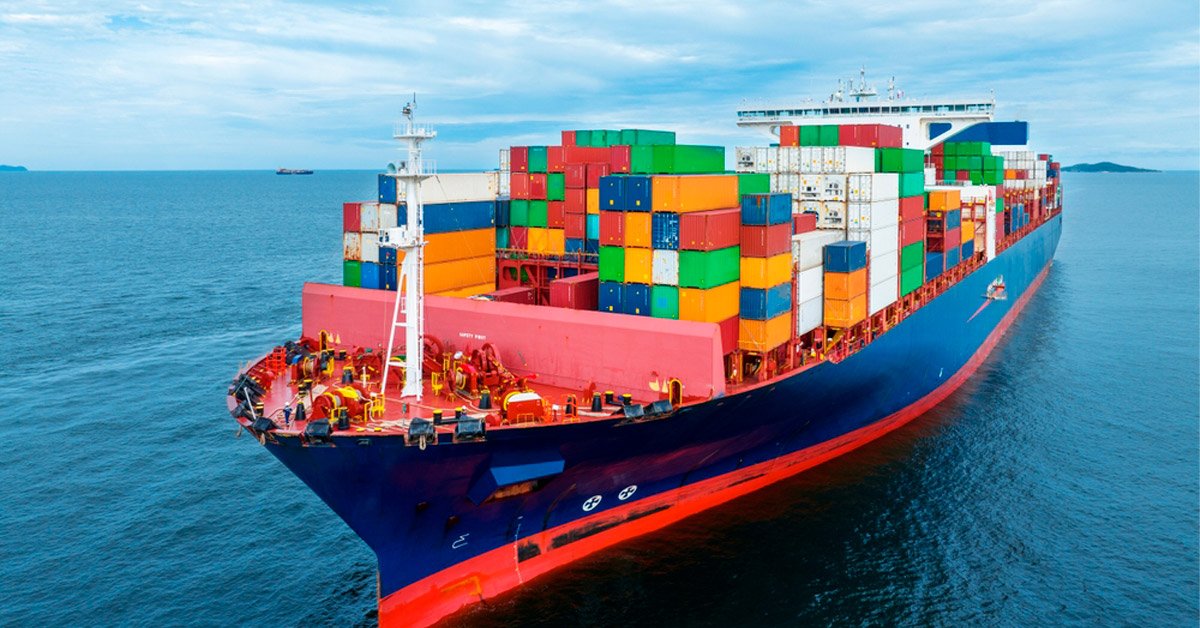
A pharmaceutical distributor in Navi Mumbai shipped a consignment of temperature-sensitive medicines to a client in Hyderabad. During transit, the refrigerated truck broke down. By the time the issue was identified and resolved, the goods were compromised. Total loss value: Rs. 18 lakhs. Marine insurance policy: not in place.
The distributor assumed the transporter’s insurance would cover it. It didn’t — the transporter’s liability was capped at a fraction of the goods’ value under standard carrier terms. That’s a gap marine transit insurance is specifically designed to close.
What marine transit insurance actually covers
Marine insurance in India covers physical loss or damage to goods in transit — whether by sea, air, road, or rail. The scope of cover depends on the clause selected. Institute Cargo Clauses (A) offers the broadest cover — essentially all risks of physical loss or damage, subject to standard exclusions. Clauses (B) and (C) cover more limited sets of named perils.
Most commercial shippers should be looking at Clause (A) cover. The premium difference between broad and narrow cover is rarely significant enough to justify a narrower policy when goods of real value are moving.
Standard exclusions across all clauses include wilful misconduct of the insured, inherent vice of the goods, inadequate packing, and war and strike perils unless specifically added back.
Open policy vs voyage policy — choosing the right structure
If your business moves goods regularly — weekly shipments to distributors, regular imports, ongoing export orders — an open or annual marine policy is almost always the better structure. You declare each shipment as it moves, and the policy automatically provides cover. It’s administratively efficient and typically cheaper per consignment than buying voyage-specific cover each time.
A marine single transit policy covers a specific, one-off consignment. It’s the right choice for individuals or businesses that move goods occasionally and don’t need continuous cover. Importers bringing in a single machinery consignment, for instance, or a business relocating office equipment between cities.
The choice between the two isn’t complicated once you know how frequently you’re shipping. What’s more important is ensuring the declared value is accurate — which leads to the most common error in marine insurance.
The declared value problem — and why it costs businesses at claims time
Undervaluing goods to reduce premium is a mistake that shows up, predictably, at the time of a claim. Marine insurance operates on the principle of indemnity — the claim settlement is based on the insured value, not the actual value if the two are different.
The correct declaration is invoice value plus freight plus a standard addition — typically 10% to 15% — for incidental costs and uplift. This ensures that if a full loss occurs, the settlement actually covers the replacement of the goods and the associated costs.
It sounds straightforward. But many businesses guess the value or use an outdated figure because the person arranging the policy doesn’t have access to the current invoice. Building the declaration process into the shipping workflow, rather than treating it as an afterthought, is what separates businesses that claim smoothly from those that argue with surveyors.
What to do when a consignment arrives damaged
The first step after discovering damaged goods is to note the damage on the carrier’s delivery receipt — do not sign a clean receipt. Photograph the damage before unpacking further. Notify your insurer or broker immediately; most policies require prompt notification.
Don’t discard the damaged goods or packaging before a surveyor has inspected them. Marine insurance claims depend on physical evidence, and the surveyor’s report forms the basis of your settlement. Cooperation at this stage directly affects how quickly and smoothly the claim resolves.
If your business is moving goods of any significant value — domestically or internationally — marine insurance deserves a proper look. The Beyond Insurance team works with importers, exporters, manufacturers, and traders to structure cover that matches the actual risk. Talk to us before your next consignment moves.